Witness Again
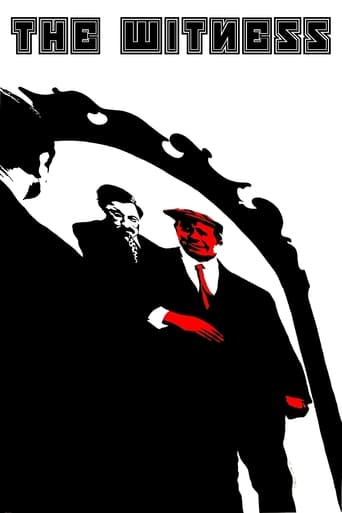
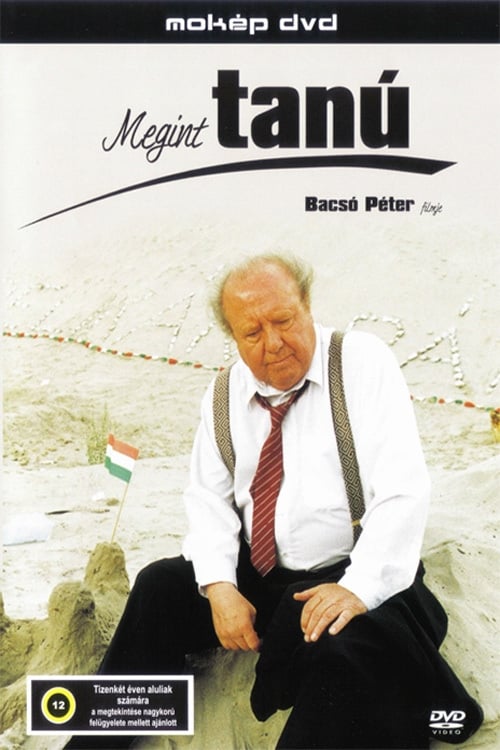
The Witness (Hungarian: A tanú, also known as Without A Trace), is a 1969 Hungarian satire film, directed by Péter Bacsó. The film was created in a tense political climate at a time when talking about the 1950s and the 1956 Revolution was still taboo. Although it was financed and allowed to be made by the communist authorities, it was subsequently banned from release. As a result of its screening in foreign countries, the communist authorities eventually relented and allowed it to be released in Hungary. It was screened at the 1981 Cannes Film Festival in the Un Certain Regard section.[1] A sequel was made in 1994 named "Megint tanú" (English: Witness Again).
Embers Analyse
- Tempo
- Zügig
- Intensität
- Mild
- Komplexität
- Leicht zugänglich
- Gewalt
- Keine
Filmdetails
- Regie
- Péter Bacsó
- Veröffentlichungsdatum
- 1995-02-02
- Bewertung
- 5.2 / 10 (9)
Besetzung
- Ferenc Kállai
- György Cserhalmi
- Géza Kaszás
- Olivér Csendes
Häufige Fragen
- Worum geht es in Witness Again?
- The Witness (Hungarian: A tanú, also known as Without A Trace), is a 1969 Hungarian satire film, directed by Péter Bacsó. The film was created in a tense political climate at a time when talking about the 1950s and the 1956 Revolution was still taboo. Although it was financed and allowed to be made by the communist authorities, it was subsequently banned from release. As a result of its screening in foreign countries, the communist authorities eventually relented and allowed it to be released in Hungary. It was screened at the 1981 Cannes Film Festival in the Un Certain Regard section.[1] A sequel was made in 1994 named "Megint tanú" (English: Witness Again).
- Wie ist Witness Again anzusehen?
- Embers Analyse bewertet das Tempo von Witness Again als zügig, die Intensität als mild und das Erzählen als leicht zugänglich.
- Ist Witness Again gewalttätig?
- Nein — Embers Analyse findet in Witness Again keine Gewalt.