Time Out
A newly unemployed French professional constructs an increasingly unsettling fiction of employment to remain visible to the people he loves.
Overview
A haunting exploration of identity and desperation unfolds as one man's lie spirals out of control.
Ember's analysis
- Pacing
- Measured
- Intensity
- Strong
- Complexity
- Layered
- Violence
- None
- austere
- melancholic
- oppressive
- quiet evening
- serious film night
What critics said
Critics broadly praised the film as a haunting, penetrating psychological drama about unemployment, deception, and the angst of modern work.
What sets it apart
May contain story progression spoilers
Vincent invents employment and performs workplace routines after being fired, turning unemployment into sustained social deception.
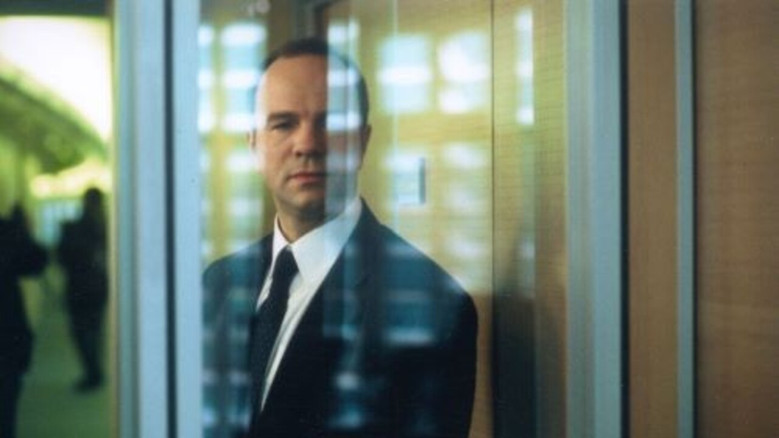
Vincent wanders through office corridors and observes working men in meeting rooms, making corporate interiors feel unnerving and inaccessible.
The audience knows Vincent is unemployed while his family and friends accept his fabricated job, creating mounting dramatic irony.
Vincent's loss of employment becomes a crisis of identity, belonging, and perceived worth within his close-knit social world.
Films like Time Out, and why
The Fire Within
shared focus on alienation, unemployment, social performance, and psychologically tense realism
The American Friend
shared depiction of middle-class disconnection, deception, and quiet existential despair
The Conversation
shared slow-burning psychological tension and protagonists trapped by fabricated identities
Rosetta
shared European social realism, moral unease, and intimate examination of economic precarity
Movie Details
- Director
- Laurent Cantet
- Release Date
- 2001-09-10
- Runtime
- 134 min
- Rating
- 6.7 / 10 (94)
Cast
- Aurélien Recoing
- Karin Viard
- Serge Livrozet
- Jean-Pierre Mangeot
- Monique Mangeot
- Didier Reyes
- Philippe Jouannet
Common questions
- What is Time Out about?
- A newly unemployed French professional constructs an increasingly unsettling fiction of employment to remain visible to the people he loves.
- What is Time Out like to watch?
- Ember's analysis rates the pacing of Time Out as measured, its intensity as strong and its storytelling as layered.
- Is Time Out violent?
- No — Ember's analysis finds no violence in Time Out.
- What did critics think of Time Out?
- Critics broadly praised the film as a haunting, penetrating psychological drama about unemployment, deception, and the angst of modern work.
- Which films are like Time Out?
- Films with a similar feel include The Fire Within, The American Friend, The Conversation, and Rosetta.
- How long is Time Out?
- Time Out runs 134 minutes.