Overview
Three intertwining love stories across different eras explore the complexities of romance and longing.
Ember's analysis
- Pacing
- Slow
- Intensity
- Moderate
- Complexity
- Layered
- Violence
- None
- melancholic
- wistful
- contemplative
- quiet evening
- arthouse film night
What critics said
Critics broadly praised the film’s visual beauty, historical breadth, and subtle treatment of love, while generally finding the 1966 segment strongest and the contemporary episode comparatively weaker.
What sets it apart
May contain story progression spoilers
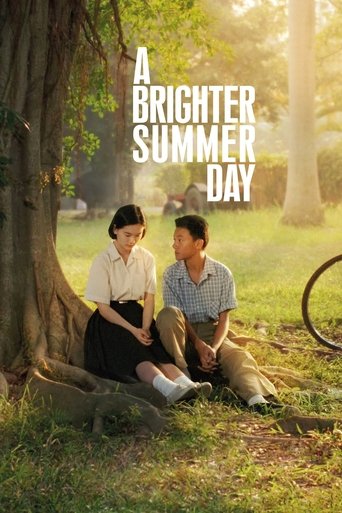
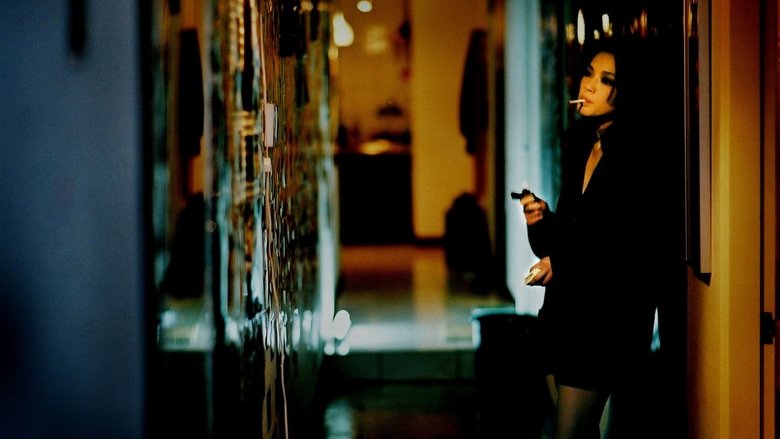
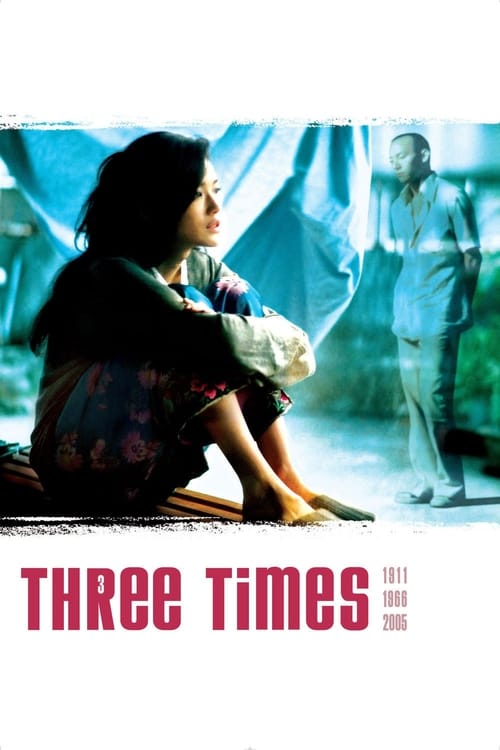
The film divides into three titled episodes set in 1911, 1966, and 2005, with Shu Qi and Chang Chen reappearing in different roles.
Chen searches for May after missed meetings, while the later relationships remain emotionally evasive and unresolved.
The three romances move from a 1911 brothel economy through 1966 military service to Taipei in 2005.
Shu Qi and Chang Chen portray different lovers and counterparts in each period, encouraging comparison without literal continuity.
Films like Three Times, and why
The Handmaiden
shared triptych structure, historical settings, contemplative romantic melancholy, and recurring performers
Flowers of Shanghai
shared Hou Hsiao-hsien authorship, historical intimacy, restrained sensuality, and brothel-centered period drama
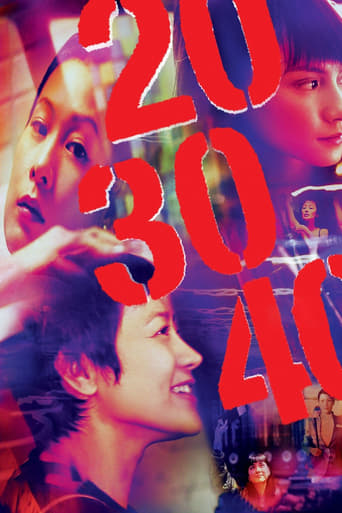
Millennium Mambo
shared fragmented romantic relationships, contemporary alienation, and languid urban atmosphere
In the Mood for Love
shared episodic romantic longing, memory across time, and visually composed slow cinema
Movie Details
- Director
- Hou Hsiao-hsien
- Release Date
- 2005-10-27
- Runtime
- 130 min
- Rating
- 6.9 / 10 (109)
Cast
- Shu Qi
- Chang Chen
- Liao Su-jen
- Mei Di
- Chen Shi-Zheng
- Lee Pei-Hsuan
- Mei Fang
- Lawrence Ko
- Wang Chih-cheng
Common questions
- What is Three Times about?
- Hou Hsiao-hsien’s elegant triptych traces changing forms of romantic desire through three Taiwanese eras, from missed connection to emotional dislocation.
- What is Three Times like to watch?
- Ember's analysis rates the pacing of Three Times as slow, its intensity as moderate and its storytelling as layered.
- Is Three Times violent?
- No — Ember's analysis finds no violence in Three Times.
- What did critics think of Three Times?
- Critics broadly praised the film’s visual beauty, historical breadth, and subtle treatment of love, while generally finding the 1966 segment strongest and the contemporary episode comparatively weaker.
- Which films are like Three Times?
- Films with a similar feel include The Handmaiden, Flowers of Shanghai, Millennium Mambo, and In the Mood for Love.
- How long is Three Times?
- Three Times runs 130 minutes.