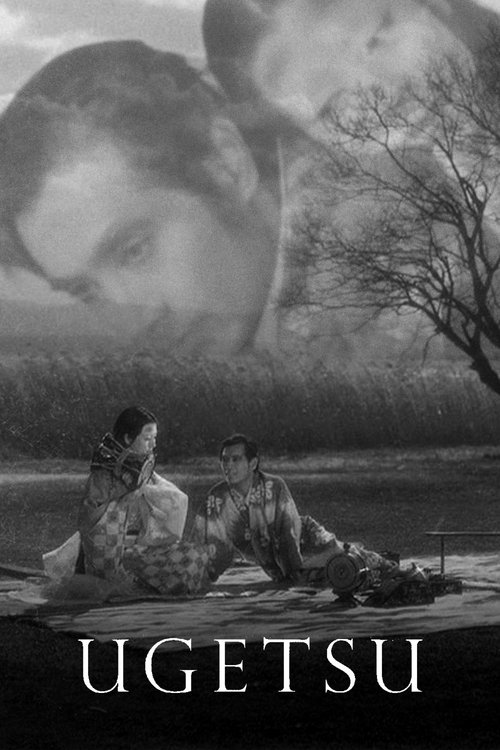
Overview
A haunting tale of ambition and desire set against the backdrop of war-torn Japan.
Ember's analysis
- Pacing
- Measured
- Intensity
- Strong
- Complexity
- Layered
- Violence
- Moderate
- melancholic
- haunting
- contemplative
- classic cinema night
- japanese film retrospective
What critics said
Critics broadly regard it as a towering classic of Japanese cinema, praising Kenji Mizoguchi's direction, rich atmosphere, visual beauty, and thought-provoking moral themes.
What sets it apart
May contain story progression spoilers
Lady Wakasa's ghostly presence transforms Genjurô's pursuit of wealth and status into a cautionary tale about ambition.
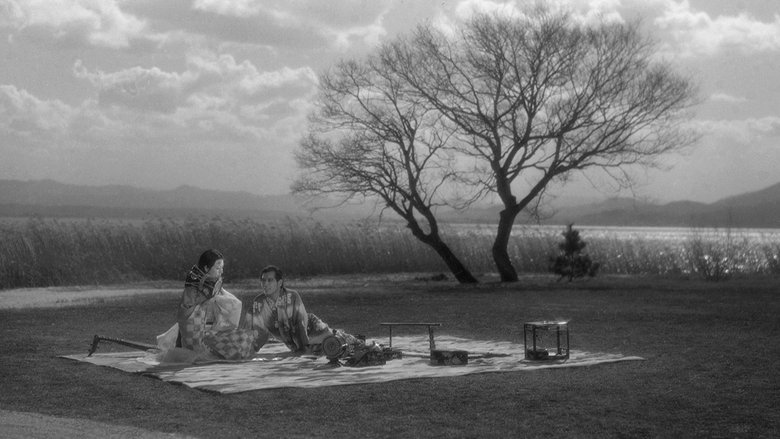
The film's opening and closing panoramas move across Lake Biwa, village, shore, and grave, while extended staging preserves spatial and emotional continuity.
The approaching army, village looting, flight by boat, and separation of families place private ambition against the upheaval of the Japanese Civil Wars.
Genjurô pursues commercial success while Tôbei abandons Ohama to purchase a samurai identity, making aspiration a direct threat to family bonds.
Films like Ugetsu, and why
Kwaidan
shared jidaigeki setting, supernatural folklore, tragic moral fable, and poetic visual atmosphere
The Ghost of Yotsuya
shared historical japanese drama, ghostly intrusion, austere beauty, and meditations on ambition and family
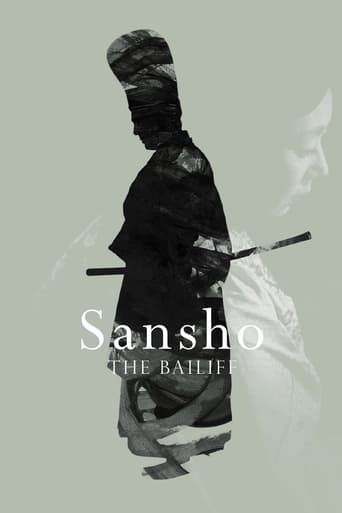
Sansho the Bailiff
shared kenji mizoguchi authorship, historical melodrama, social critique, and emotionally devastating moral conflict
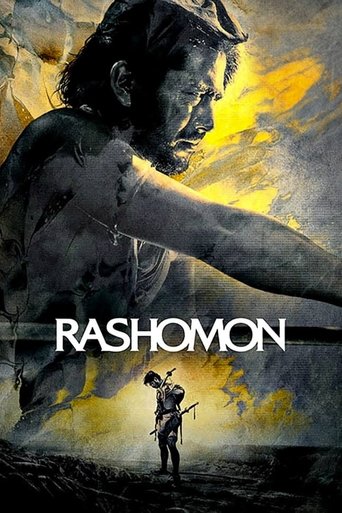
Rashomon
shared black-and-white period setting, psychological ambiguity, and morally complex portrait of desire and self-deception
Movie Details
- Director
- Kenji Mizoguchi
- Release Date
- 1953-03-26
- Runtime
- 96 min
- Rating
- 8.0 / 10 (668)
Cast
- Machiko Kyō
- Mitsuko Mito
- Kinuyo Tanaka
- Masayuki Mori
- Eitarō Ozawa
- Sugisaku Aoyama
- Mitsusaburō Ramon
- Ryōsuke Kagawa
- Kichijirō Ueda
- Shōzō Nanbu
Where to watch in United States
- Streaming
- HBO Max Amazon Channel, HBO Max
- Rent
- Amazon Video, Apple TV Store, Fandango At Home
- Buy
- Amazon Video, Apple TV Store, Fandango At Home
Streaming options come from TMDB and change over time.
Common questions
- What is Ugetsu about?
- Amid sixteenth-century war and spectral seduction, two ambitious craftsmen learn that prosperity and status can exact a devastating price from family life.
- What is Ugetsu like to watch?
- Ember's analysis rates the pacing of Ugetsu as measured, its intensity as strong and its storytelling as layered.
- Is Ugetsu violent?
- Somewhat. Ember rates the violence in Ugetsu as moderate.
- What did critics think of Ugetsu?
- Critics broadly regard it as a towering classic of Japanese cinema, praising Kenji Mizoguchi's direction, rich atmosphere, visual beauty, and thought-provoking moral themes.
- Which films are like Ugetsu?
- Films with a similar feel include Kwaidan, The Ghost of Yotsuya, Sansho the Bailiff, and Rashomon.
- How long is Ugetsu?
- Ugetsu runs 96 minutes.
- Where can I watch Ugetsu?
- In United States, Ugetsu streams on HBO Max Amazon Channel, HBO Max.