Overview
A poignant exploration of memory and loss through the lens of a dying man's reflections.
Ember's analysis
- Pacing
- Measured
- Intensity
- Strong
- Complexity
- Labyrinthine
- Violence
- Mild
- dreamy
- melancholic
- wistful
- quiet solitary viewing
- late night reflection
What critics said
Critics broadly regard Tarkovsky's formally radical autobiographical drama as a major, visually poetic work, while acknowledging that its fragmented structure can feel opaque and unfocused.
What sets it apart
May contain story progression spoilers
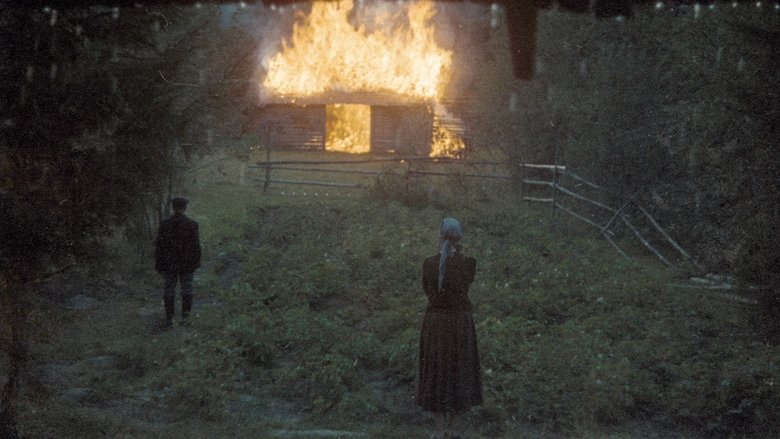
The dying Alexei's childhood, adolescence, family divorce, dreams, poetry, and historical footage are interwoven as fragments of recollection.
Alexei's intimate memories are set alongside World War II imagery, the Spanish Civil War, and reflections on Russian history and society.
Original poetry, wind, fields, forests, dreams, and historical images shape the film's associative rhythm and emotional meaning.
Tarkovsky blends reminiscence, dreams, poetry, archival footage, and dislocated temporal movement to evoke lived memory.
Films like Mirror, and why
The Tree of Life
shared nonlinear memory structure, autobiographical introspection, poetic imagery, and meditations on family and history
Hiroshima mon amour
shared fragmented recollection, lyrical visual style, historical trauma, and emotionally elusive family drama
Nostalgia
shared dreamlike editing, spiritual reflection, poetic cinema, and nonlinear psychological interiority
The Sacrifice
shared autobiographical filmmaking, memory as unstable experience, and austere Soviet poetic realism
Movie Details
- Director
- Andrei Tarkovsky
- Release Date
- 1975-03-07
- Runtime
- 107 min
- Rating
- 7.9 / 10 (1131)
Cast
- Margarita Terekhova
- Ignat Daniltsev
- Larisa Tarkovskaya
- Alla Demidova
- Anatoliy Solonitsyn
- Mykola Hrynko
- Tamara Ogorodnikova
- Yuriy Nazarov
- Oleg Yankovskiy
- Filipp Yankovsky
Where to watch in United States
- Rent
- Amazon Video, Apple TV Store, Google Play Movies, YouTube, Fandango At Home
- Buy
- Amazon Video, Apple TV Store, Google Play Movies, YouTube, Fandango At Home
Streaming options come from TMDB and change over time.
Common questions
- What is Mirror about?
- An elusive autobiographical mosaic turns childhood, family rupture, poetry, and Soviet history into a haunting meditation on memory.
- What is Mirror like to watch?
- Ember's analysis rates the pacing of Mirror as measured, its intensity as strong and its storytelling as labyrinthine.
- Is Mirror violent?
- Only mildly. Ember rates the violence in Mirror as mild.
- What did critics think of Mirror?
- Critics broadly regard Tarkovsky's formally radical autobiographical drama as a major, visually poetic work, while acknowledging that its fragmented structure can feel opaque and unfocused.
- Which films are like Mirror?
- Films with a similar feel include The Tree of Life, Hiroshima mon amour, Nostalgia, and The Sacrifice.
- How long is Mirror?
- Mirror runs 107 minutes.
- Where can I watch Mirror?
- In United States, Mirror is available to rent or buy from Amazon Video, Apple TV Store, Google Play Movies, YouTube, Fandango At Home.