Overview
A young boy's curiosity leads him to uncover the complexities of adult life next door.
Ember's analysis
- Pacing
- Measured
- Intensity
- Strong
- Complexity
- Layered
- Violence
- None
- melancholic
- intimate
- contemplative
- quiet evening
- arthouse film night
What critics said
Critics broadly regard the episode as a powerful, compassionate, and psychologically intricate study of voyeurism and unrequited desire.
What sets it apart
May contain story progression spoilers
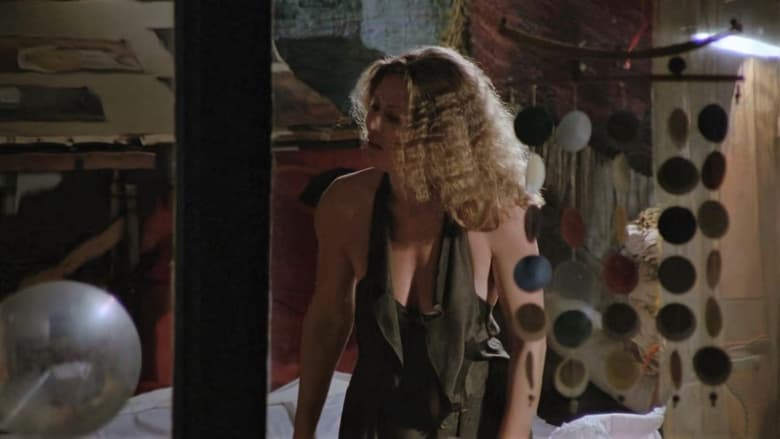
Tomek repeatedly observes Magda through binoculars, making surveillance the foundation of his emotional attachment.
Tomek's intense fixation on Magda contrasts with her more complicated and initially resistant relationship to his attention.
The film focuses on windows, apartments, and small gestures within a Warsaw residential setting rather than spectacle.
Tomek's adolescence, erotic curiosity, and idealized pursuit of an older neighbor drive the drama.
Films like Decalogue VI, and why
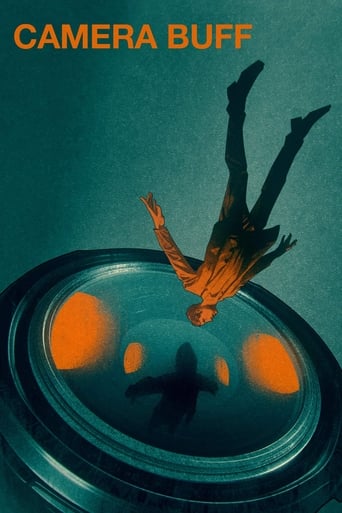
Rear Window
intimate moral drama about voyeurism, loneliness, and the painful asymmetry of desire
The Double Life of Véronique
austere european relationship drama centered on alienation, observation, and emotional misrecognition
In the Mood for Love
quiet, psychologically probing romance in which desire confronts disappointment and ethical limits
Movie Details
- Director
- Krzysztof Kieślowski
- Release Date
- 1989-09-06
- Runtime
- 58 min
- Rating
- 8.0 / 10 (161)
Cast
- Olaf Lubaszenko
- Grażyna Szapołowska
- Stefania Iwińska
- Artur Barciś
- Stanisław Gawlik
- Piotr Machalica
- Rafal Imbro
- Jan Piechociński
- Małgorzata Rożniatowska
- Jarosława Michalewska
Common questions
- What is Decalogue VI about?
- A lonely Polish teenager’s secret surveillance of an older neighbor becomes a searching study of desire, fantasy, and emotional boundaries.
- What is Decalogue VI like to watch?
- Ember's analysis rates the pacing of Decalogue VI as measured, its intensity as strong and its storytelling as layered.
- Is Decalogue VI violent?
- No — Ember's analysis finds no violence in Decalogue VI.
- What did critics think of Decalogue VI?
- Critics broadly regard the episode as a powerful, compassionate, and psychologically intricate study of voyeurism and unrequited desire.
- Which films are like Decalogue VI?
- Films with a similar feel include Rear Window, The Double Life of Véronique, and In the Mood for Love.
- How long is Decalogue VI?
- Decalogue VI runs 58 minutes.