Overview
A poignant exploration of loss and redemption set against the backdrop of war's devastation.
Ember's analysis
- Pacing
- Measured
- Intensity
- Strong
- Complexity
- Layered
- Violence
- Moderate
- melancholic
- meditative
- elegiac
- reflective viewing
- arthouse film night
What critics said
Critics broadly regard the film as a clear, affecting, visually lyrical anti-war drama whose Japanese perspective on World War II remains powerful despite concerns about sentimentality and historical whitewashing.
What sets it apart
May contain story progression spoilers
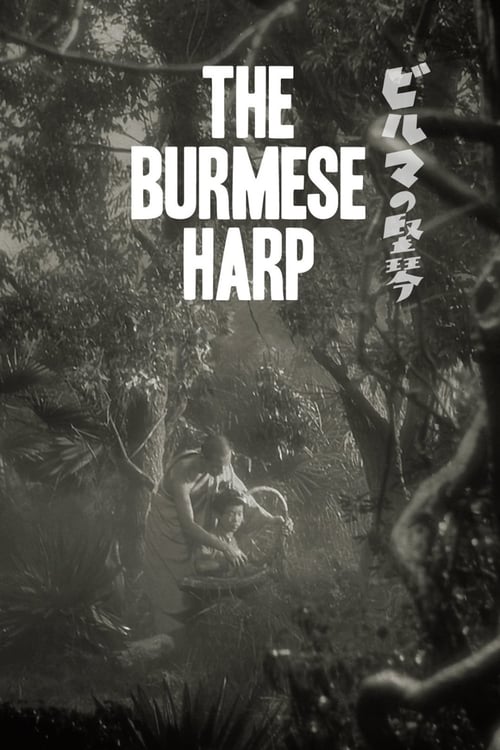
Mizushima becomes a Buddhist monk after witnessing the consequences of continued fighting and dedicates himself to burying fallen soldiers.
Mizushima travels through Burma burying the remains of Japanese soldiers, turning remembrance into the film's central moral action.
Mizushima cannot rejoin his fellow soldiers after the surrender mission and the attack on the defiant Japanese troop.
The Burmese landscape, Buddhist statuary, and religious architecture sustain the mood of Mizushima's conversion and mystification.
Films like The Burmese Harp, and why
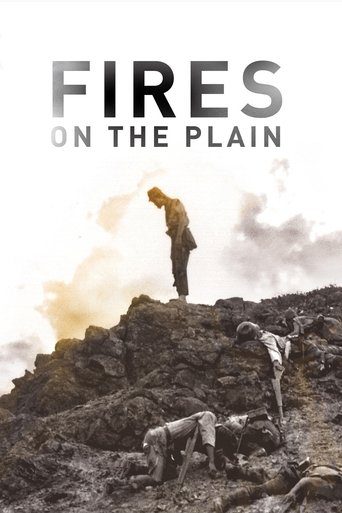
Fires on the Plain
shared anti-war humanism, wartime moral crisis, and meditative treatment of soldiers confronting mass death
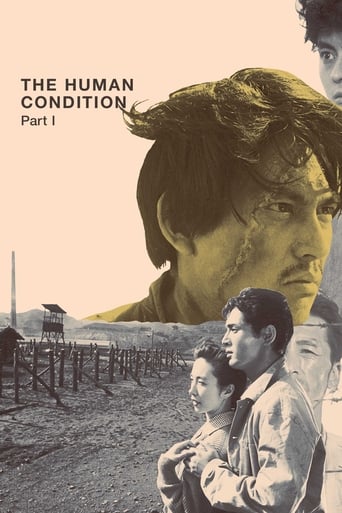
The Human Condition
shared Japanese perspective on wartime trauma, spiritual searching, and elegiac visual atmosphere
Ugetsu
shared Buddhist-inflected reflection, postwar guilt, and lyrical engagement with landscapes and suffering
The Steel Helmet
shared ensemble soldier friendship, surrender dilemmas, and tragic anti-war perspective
Movie Details
- Director
- Kon Ichikawa
- Release Date
- 1956-01-21
- Runtime
- 117 min
- Rating
- 7.8 / 10 (177)
Cast
- Rentaro Mikuni
- Shōji Yasui
- Jun Hamamura
- Taketoshi Naitō
- Shunji Kasuga
- Kō Nishimura
- Keishichi Nakahara
- Toshiaki Itō
- Hiroshi Tsuchikata
- Tomio Aoki
Where to watch in United States
- Streaming
- Criterion Channel
- Rent
- Amazon Video, Apple TV Store, YouTube, Fandango At Home
- Buy
- Amazon Video, Apple TV Store, YouTube, Fandango At Home
Streaming options come from TMDB and change over time.
Common questions
- What is The Burmese Harp about?
- A Japanese soldier's harp, conscience, and Buddhist conversion transform a wartime surrender mission into an elegy for the dead.
- What is The Burmese Harp like to watch?
- Ember's analysis rates the pacing of The Burmese Harp as measured, its intensity as strong and its storytelling as layered.
- Is The Burmese Harp violent?
- Somewhat. Ember rates the violence in The Burmese Harp as moderate.
- What did critics think of The Burmese Harp?
- Critics broadly regard the film as a clear, affecting, visually lyrical anti-war drama whose Japanese perspective on World War II remains powerful despite concerns about sentimentality and historical whitewashing.
- Which films are like The Burmese Harp?
- Films with a similar feel include Fires on the Plain, The Human Condition, Ugetsu, and The Steel Helmet.
- How long is The Burmese Harp?
- The Burmese Harp runs 117 minutes.
- Where can I watch The Burmese Harp?
- In United States, The Burmese Harp streams on Criterion Channel.